
Blog
Explosion-Proof Motors for Hazardous Areas: Zones, Groups and Selection

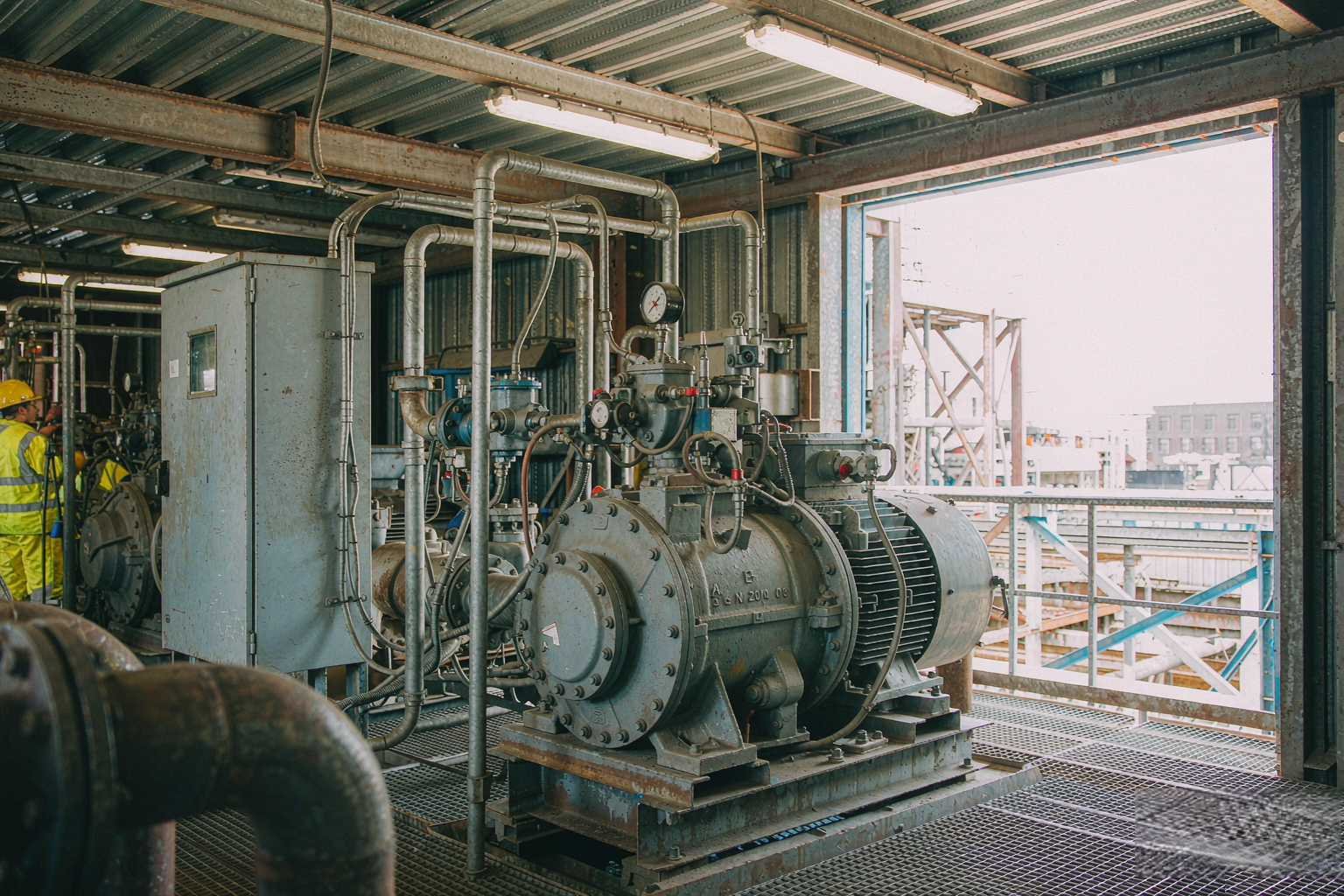
In a chemical plant, refinery, grain elevator or paint booth, an electric spark can be catastrophic. Wherever flammable gases, vapours or combustible dust may be present, ordinary electrical equipment is a potential ignition source. Motors — with their switching currents, hot surfaces and mechanical friction — require special attention. Explosion-proof motors are engineered to operate safely in these hazardous areas, and specifying them correctly is a matter of safety, compliance and continuity. This guide explains the essentials of hazardous-area classification and what to look for when selecting a motor.
Understanding Hazardous Areas
A hazardous area is a location where an explosive atmosphere may exist. Classification systems divide these areas by how often and how long that atmosphere is present. The IECEx and ATEX systems, used widely outside North America, define Zones: Zone 0 where an explosive atmosphere is present continuously or for long periods, Zone 1 where it is likely to occur occasionally in normal operation, and Zone 2 where it is unlikely and, if it occurs, lasts only briefly. The North American NEC/CEC system uses a Division approach: Division 1 for locations where hazardous conditions are present during normal operation, and Division 2 where they exist only under abnormal conditions.
Dusts are classified separately into Zones 20, 21 and 22 (or Divisions for combustible dust). The zone or division assigned to an area determines the level of protection equipment must provide.
Gas Groups, Dust Groups and Temperature Classes
Beyond the zone, the specific substance matters. Gas atmospheres are grouped by the type of gas — for example, Group IIA for propane, IIB for ethylene and IIC for hydrogen or acetylene, with IIC being the most demanding. The equipment’s temperature class indicates the maximum surface temperature it can reach; a lower temperature class number means a hotter surface and a narrower range of safe gases. Selecting a motor with a temperature class below the ignition temperature of the gas present is essential. Dust groups (IIIA, IIIB, IIIC) and dust surface-temperature limits apply analogous logic to combustible dust. A motor certified for a broader group and a lower surface temperature is generally more versatile, though often more expensive.
Types of Motor Protection
Several protection concepts are used in hazardous-area motors. The most common is flameproof enclosure, marked “Ex d”: the motor is built inside a robust housing designed to contain an internal explosion and prevent flames or hot gases from escaping to the surrounding atmosphere. Increased safety, “Ex e”, applies to equipment that avoids arcs and excessive temperatures in normal operation, often used for terminal boxes and non-sparking components. Pressurised enclosures, “Ex p”, keep a protective gas pressure inside the housing to exclude the external atmosphere. In practice a motor may combine concepts — for example, a flameproof main enclosure with increased-safety terminals. The certification marking on the nameplate states exactly which concepts and groups apply, and it must match the area classification.
Key Selection Criteria
- Match the certification to the zone. Verify the motor’s Ex marking covers the specific zone or division, gas or dust group, and temperature class of the installation.
- Use certified equipment only. Require a recognised certification (ATEX, IECEx or the relevant national body) and check that the nameplate marking is complete and legible.
- Confirm ambient conditions. High ambient temperature or altitude can reduce a motor’s cooling capacity and affect its temperature class; check the rated range.
- Consider efficiency. Hazardous-area motors are often continuous-duty. An IE3 or IE4 flameproof motor can deliver significant energy savings over its lifetime.
- Plan for installation and maintenance. Cable glands, seals and joints must preserve the protection concept. Servicing must be done by trained personnel, and spares should be available.
Efficiency and Total Cost in Hazardous Service
Hazardous-area motors have historically carried a reputation for lower efficiency, but modern designs close that gap substantially. High-efficiency flameproof and increased-safety motors are available that meet IE3 or IE4 levels while maintaining full certification. Because these motors often run continuously in process industries, the energy savings are amplified over thousands of annual hours. When evaluating options, compare the total cost of ownership — purchase price, energy consumption and maintenance — rather than the upfront figure alone. A more efficient certified motor frequently pays for its premium through reduced energy costs within a few years.
Reliability is equally important. An unplanned motor failure in a hazardous area can shut down an entire process unit, and any maintenance carries additional safety procedures and downtime. Choosing a well-built, correctly certified motor with adequate cooling and robust bearings reduces the likelihood of such events.
Compliance Is Not Optional
In classified areas, equipment selection is a legal and safety obligation, not a preference. Installing a motor with the wrong temperature class or gas group can create an ignition risk and invalidate insurance and compliance. Work from the site’s hazardous-area classification drawings, involve a qualified engineer, and keep certification documentation on file for audits. When in doubt, choose a motor certified for a broader group or a cooler temperature class than the minimum required.
Getting the Specification Right
Selecting an explosion-proof motor means balancing safety certification, efficiency, duty and environment. Start with the area classification, then narrow by gas or dust group and temperature class, then optimise for efficiency and total cost. Done correctly, the result is safe, compliant and economical operation for years to come.
If you need help specifying a certified motor for a hazardous area, the team at https://motorolltech.com can guide you through the options and match a solution to your zone, group and duty. Reach out today to discuss your application and request a tailored recommendation.