
Blog
Choosing the Right Motor Enclosure: TEFC vs ODP vs Explosion-Proof

The Enclosure Decides Where a Motor Can Live
Two motors can have identical horsepower, efficiency, and speed yet be completely wrong for each other’s environment. The difference is the enclosure, the housing that protects the internal windings and bearings from the outside world while letting heat escape. Choosing the wrong one leads to early failure in harsh conditions or unnecessary cost in benign ones. For industrial buyers, the three workhorses are ODP, TEFC, and explosion-proof, and knowing when each applies prevents both failures and overspending.
ODP: Open Drip-Proof, the Indoor Economical Choice
An Open Drip-Proof motor has vents that let air circulate through the frame to cool it, with a hood that blocks falling liquids and solids from above. It is lightweight, inexpensive, and efficient at shedding heat, which is why it is common in clean, dry, indoor spaces like HVAC rooms and controlled factories. Its weakness is exactly that openness: any dust, fiber, humidity, or corrosive vapor shortens its life. Never put an ODP motor where it can breathe contamination, because the savings evaporate the first time it fails.
TEFC: Totally Enclosed Fan-Cooled, the All-Rounder
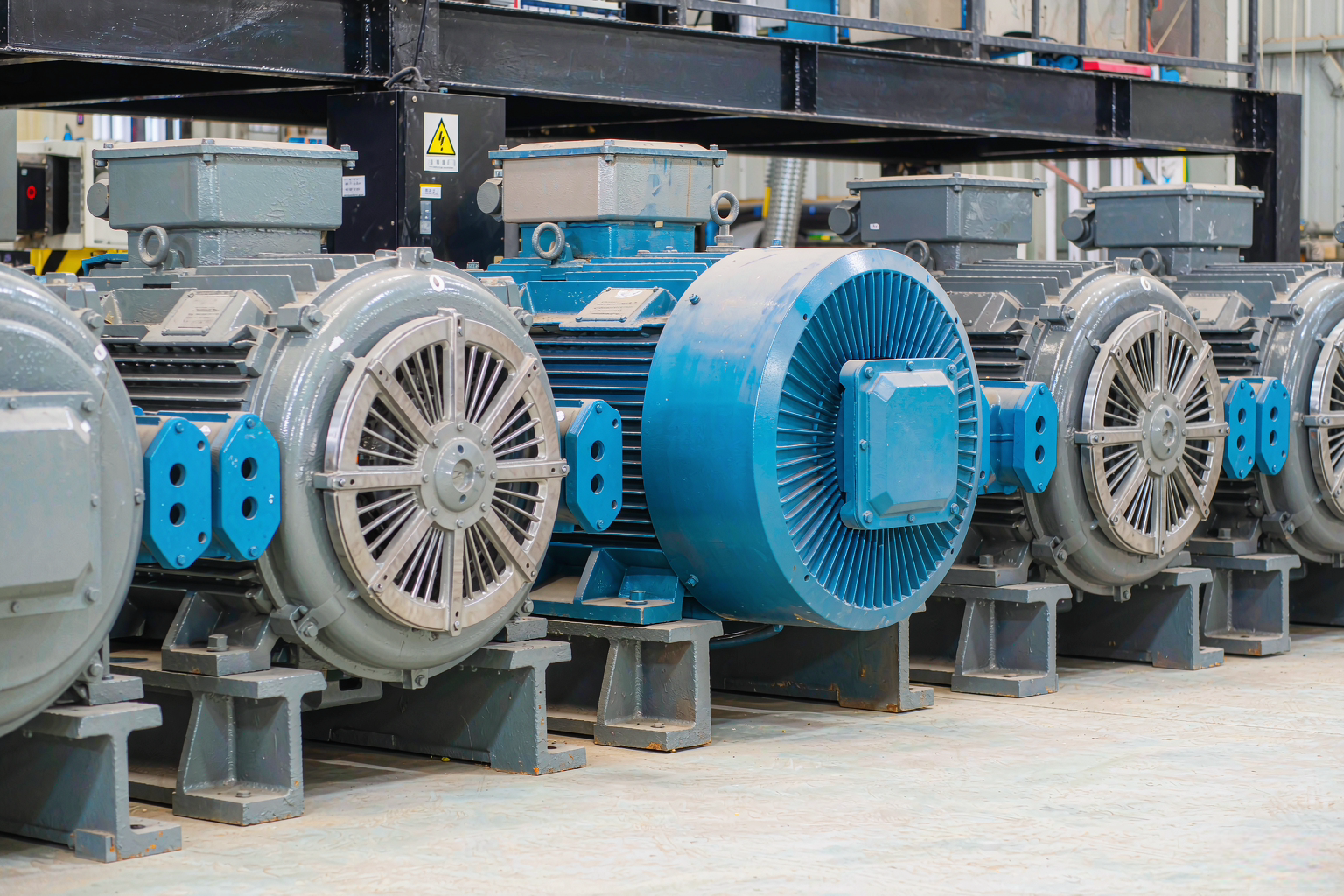
A Totally Enclosed Fan-Cooled motor seals the internal parts from the environment and uses an external fan to blow air over the finned frame. The enclosure is not airtight, it is “totally enclosed” against solids and splashes, not pressure-rated, but it shrugs off dust, rain, and most outdoor exposure. For that reason TEFC is the default for general industry, from pumps and conveyors to outdoor compressors. The trade-off is slightly higher cost and a small efficiency penalty from the cooling fan, usually a worthwhile price for the durability it delivers in real plants.
Explosion-Proof: Built for Hazardous Locations
Where flammable gas, vapor, or dust is present, paint booths, grain elevators, refineries, some chemical plants, a spark inside a motor can be catastrophic. Explosion-proof (XP) motors are heavy, reinforced enclosures engineered so that any internal explosion is contained and cooled below the ignition point before gases escape. They must be installed to code, with the correct hazardous-area division and group, and are significantly more expensive. Using an XP motor where it is not needed wastes money; skipping it where it is required risks lives, so the spec is never optional in classified areas.
Matching Enclosure to Environment
A practical rule: clean dry indoor with no contaminants favors ODP for cost; almost everything else favors TEFC for protection; any classified hazardous area mandates XP or another certified Division or Zone design. Consider washdown and corrosion too, in food and marine settings, stainless or epoxy-coated TEFC variants resist the cleaning chemicals and salt that would eat a standard frame, and the small premium pays back through survival.
Don’t Forget Cooling and Altitude
Enclosure choice interacts with cooling. TEFC motors depend on the external fan; in a confined, hot cabinet the ambient can creep up and derate the motor. At altitude, thinner air reduces cooling effectiveness, so a motor rated for sea level may need a larger frame or forced ventilation. Read the derating curve, not just the nameplate, when the installation is unusual, and size from the real operating point rather than the catalog headline.
Cost Versus Risk
The cheapest enclosure is rarely the cheapest over the motor’s life. An ODP motor that fails in a dusty plant after a year costs more in downtime than the TEFC premium saved upfront. Specifying the right enclosure is a one-time decision that pays back through reliability, and it is far easier to justify than explaining an unplanned stoppage to production.
Special Variants Worth Knowing
Beyond the big three, you will meet washdown, corrosive-duty, and totally enclosed non-ventilated (TENV) designs. Washdown motors use stainless or special coatings for frequent hosing; corrosive-duty units add epoxy and special alloys for chemical exposure; TENV drops the fan for sealed, spark-free operation in dusty or linty rooms. Knowing these exist helps you avoid over-specifying an XP motor where a washdown TEFC would do the job at a fraction of the cost.
Installation Quality Matters as Much as the Enclosure
Even the right enclosure fails if installed poorly. Ensure adequate clearance for the fan to draw cool air, avoid mounting where exhaust recirculates, and keep the motor away from heat sources. A TEFC motor boxed into a sealed cabinet will cook itself regardless of rating, so treat enclosure choice and installation as one decision, not two separate purchases.
When in doubt, over-protect the motor and under-protect the budget only where the environment is genuinely benign and documented as such.
Not sure which enclosure fits your site? Visit motorolltech.com for motor selection guides, hazardous-area advice, and engineering support tailored to your application.