
Blog
Variable Frequency Drives and Smart Motor Control: Cutting Industrial Energy Waste

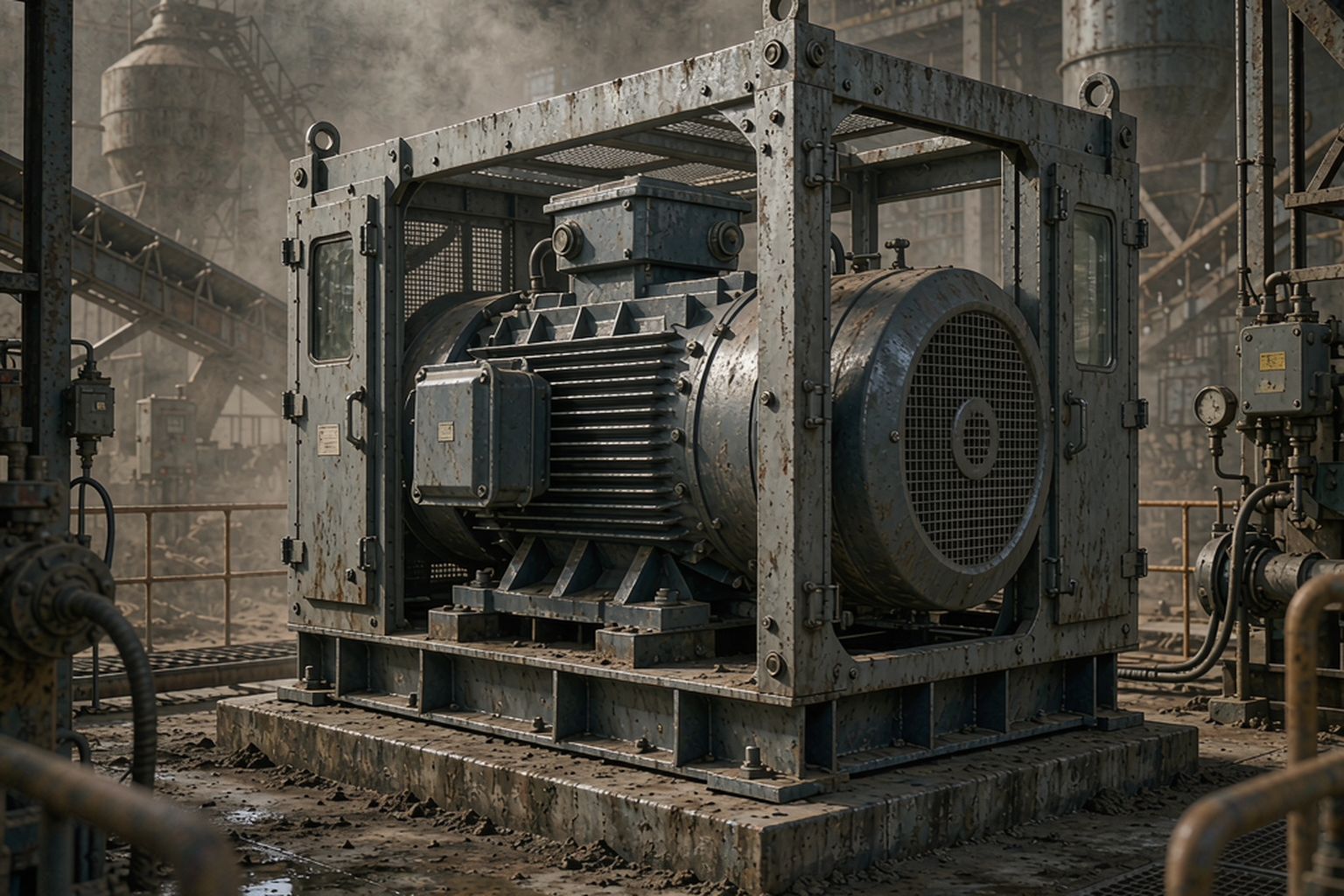
Why Fixed-Speed Motors Waste So Much Energy
The traditional way to run a pump, fan, or compressor is to start a fixed-speed motor and then throttle the output with a valve or damper. The motor spins at full speed regardless of demand, and the excess energy is literally thrown away as heat in the restriction. In many plants, 30–50% of the energy used by these systems is lost this way. A variable frequency drive (VFD) changes the game by letting the motor itself slow down to match real demand.
A VFD converts incoming AC power to DC and back to a variable-frequency AC supply, controlling motor speed and torque precisely. Because most centrifugal loads follow the cube law (halving speed can cut power to roughly one-eighth), even modest speed reductions produce dramatic energy savings.
The Core Energy Benefits
- Demand matching. The motor produces only the flow or pressure actually needed, instead of over-producing and throttling.
- Soft start. Eliminating across-the-line inrush (often 6–8× rated current) reduces peak demand charges and mechanical stress.
- Power-factor correction. Many VFDs improve displacement power factor, reducing utility penalties.
- Process control. Tight speed and torque control improves product quality, which indirectly saves energy by cutting scrap and rework.
Pairing VFDs with High-Efficiency Motors
A VFD is only as good as the motor behind it. Running a standard motor at variable speed can expose efficiency losses and cooling limitations at low rpm. The best combination is a VFD matched to an IE4 or IE5 motor designed for variable-speed duty — often a permanent-magnet or synchronous-reluctance design. Together they deliver what is called “system efficiency,” where the drive and motor are optimized as a pair rather than bought separately.
When specifying, check the motor’s permissible speed range and cooling method. Some motors rely on a separately powered fan (forced ventilation) to stay cool at low speeds; others are rated for constant torque across the whole range. Getting this wrong is the most common cause of VFD-motor failures.
Smart Motor Control and IoT
Modern drives are no longer dumb boxes. They are networked nodes that report current, temperature, vibration tendency, and runtime to a plant’s monitoring system. This opens the door to:
- Condition monitoring. Detecting rising current or temperature before a failure, not after.
- Predictive maintenance. Scheduling service based on actual wear instead of fixed calendars.
- Energy dashboards. Seeing kWh per unit of production to spot waste in real time.
- Remote tuning. Adjusting setpoints from a control room instead of a site visit.
These capabilities turn a motor from a silent cost center into a managed, optimizable asset. The energy saving from smart control often equals or exceeds the saving from the VFD alone, because it keeps the whole system operating at its best point.
Where VFDs Pay Fastest
Applications with highly variable demand see the quickest returns:
- HVAC fans and pumps in buildings and plants.
- Water and wastewater treatment lift and process pumps.
- Compressor unloading and load matching.
- Conveyor and material-handling speed control.
- Any process with seasonal or batch-driven load swings.
For truly constant loads, a VFD adds cost without much saving — so the first step is always a load-profile audit to confirm variability exists.
Common Pitfalls to Avoid
- Long cable runs. VFD output is not pure sine wave; long motor cables can cause voltage reflections. Use rated cable and, if needed, output reactors.
- Heat. Drives generate heat and need clean, cooled enclosures — ironic in dusty plants, where filters must be maintained.
- Harmonics. Large VFD counts can distort the supply. Line reactors or active front ends mitigate this.
- Motor bearing currents. High-frequency switching can induce shaft currents; grounding and insulated bearings prevent damage.
Conclusion
Variable frequency drives and smart motor control are no longer optional luxuries — they are the standard path to industrial energy reduction. By matching motor speed to real demand, protecting against inrush, and feeding live data to your maintenance team, a VFD-plus-efficient-motor system typically pays for itself in 1–4 years and keeps saving for the rest of its life.
Want a load-profile assessment and a VFD + IE4/IE5 motor recommendation for your application? Visit https://motorolltech.com to explore our drives and motors and connect with our control specialists.